

The Hastelloy X price per kg in 2026 is influenced by multiple factors including nickel market volatility, global supply-demand balance, production costs, and certification requirements. As a high-performance nickel-based superalloy, Hastelloy X is widely used in aerospace, gas turbines, petrochemical processing, and industrial furnaces. Due to its complex alloy composition and reliance on strategic raw materials such as nickel and molybdenum, its price fluctuates significantly with global commodity trends. This guide provides a detailed 2026 pricing overview, cost structure analysis, and procurement strategies for buyers and distributors.
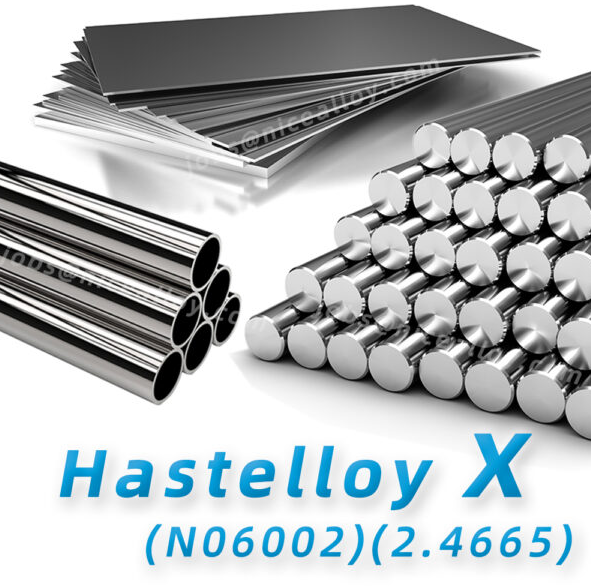
2026 Hastelloy X Market Price Overview
In 2026, the global market remains sensitive to nickel and molybdenum price movements. Based on current raw material projections and industry reports, Hastelloy X price levels are expected to remain relatively firm compared to standard stainless steels.
The average global price range for solution-annealed Hastelloy X products in 2026 is expected to remain elevated due to strong aerospace and energy sector demand.
Hastelloy X Price Per Kg Range Analysis
Estimated Price Range (2026)
- Hastelloy X round bar: USD 38 – 65 per kg
- Hastelloy X plate/sheet: USD 42 – 75 per kg
- Hastelloy X seamless pipe: USD 50 – 85 per kg
These prices vary depending on order volume, certification level, origin, and processing condition.
Impact of Different Product Forms on Price
Round Bar
Typically more cost-efficient due to lower processing complexity, especially in hot-rolled or forged condition.
Plate and Sheet
Higher cost due to rolling precision, flatness control, and thickness tolerance requirements.
Pipe and Tube
Seamless pipes command premium pricing due to extrusion and heat treatment processes.
Raw Material Cost Impact (Nickel, Molybdenum, Chromium)
Hastelloy X contains approximately 47–52% nickel and 8–10% molybdenum, making its cost highly sensitive to these metals.
- Nickel accounts for the largest percentage of raw material cost.
- Molybdenum significantly affects alloy strengthening and price volatility.
- Chromium contributes to oxidation resistance and moderately impacts pricing.
When nickel prices increase by 10%, Hastelloy X base cost can rise by 4–6% depending on alloy formulation.
Global Nickel Price Trend Influence in 2026
Nickel remains the dominant pricing driver. Any fluctuation in global mining output, Indonesian export policies, or battery industry demand can directly affect Hastelloy X pricing.
Strong demand from electric vehicle battery manufacturers continues to support elevated nickel pricing, indirectly stabilizing higher Hastelloy X market levels in 2026.
Supply and Demand Impact on Hastelloy X Pricing
Demand Drivers
- Aerospace engine production growth
- Gas turbine expansion projects
- Petrochemical plant upgrades
Supply Constraints
- Limited global superalloy melting capacity
- Long production lead times
- Energy cost increases in Europe
Tight supply combined with high-performance demand supports firm pricing in 2026.
Regional Price Differences (Asia, Europe, North America)
Asia
Generally offers more competitive pricing due to lower manufacturing costs and strong export capacity.
Europe
Higher prices due to energy costs and stricter certification requirements.
North America
Premium pricing driven by aerospace certifications and domestic sourcing policies.
Impact of Certification Standards (ASTM, AMS) on Price
Materials supplied under aerospace standards such as AMS typically command higher prices compared to general ASTM industrial grades.
- ASTM standard products: Standard industrial pricing
- AMS certified products: 10–25% premium due to stricter testing
Specification Size and Tolerance Impact
Smaller diameters, tight tolerances (h9/h11), and precision ground finishes increase machining and inspection costs, resulting in higher per kg pricing.
Large-diameter forged bars may have higher base cost due to raw material input but lower per kg machining premium.
Surface Condition Impact (Black, Peeled, Polished)
- Black (hot-rolled): Lowest cost option
- Peeled/turned: Medium price range
- Ground/polished/bright: Highest price due to finishing processes
Surface preparation can increase total cost by 5–20% depending on finish requirements.
Purchase Volume and Bulk Discount
Large orders (above 1 ton) typically receive volume discounts ranging from 3% to 12% depending on supplier capacity and market conditions.
Small-quantity prototype orders usually have higher per kg pricing due to setup and melting batch allocation costs.
2026 Price Trend Forecast
Market projections suggest moderate upward pressure in early 2026 due to sustained nickel demand and aerospace sector recovery. However, price stabilization may occur if raw material supply improves.
Long-term contracts and forward purchasing agreements may help stabilize procurement budgets.
Comparison with Other Nickel-Based Alloys
- Inconel 718: Generally USD 35–60 per kg (slightly lower in industrial grade)
- Hastelloy C-276: USD 45–80 per kg (higher due to molybdenum content)
Hastelloy X pricing typically sits between Inconel 718 and Hastelloy C-276 depending on market conditions and certification level.
How to Get an Accurate Hastelloy X Quote
To obtain an accurate quotation, buyers should provide:
- Exact grade and standard (e.g., ASTM B572)
- Product form (bar, plate, pipe)
- Size and tolerance requirements
- Surface condition
- Quantity
- Certification requirements (MTC, PMI, third-party inspection)
Providing detailed specifications reduces pricing uncertainty and shortens quotation lead time.
Frequently Asked Questions (FAQ)
What is the Hastelloy X price per kg in 2026?
The estimated range is USD 38–65 per kg for round bars, with higher pricing for plates and pipes depending on certification and processing.
Why is Hastelloy X so expensive?
Because it contains high percentages of nickel and molybdenum, and requires specialized melting and processing techniques.
Will Hastelloy X prices increase in 2026?
Prices are expected to remain firm due to strong aerospace demand and sustained nickel market strength, though short-term fluctuations may occur.


 English
  Korean
  Japanese
  Arabic
  Spanish
  German
  Portuguese
  French
  Russian
  Italian