

Monel is a premium nickel-copper alloy widely used in marine engineering, chemical processing, and oil & gas industries due to its exceptional corrosion resistance and mechanical stability. Because of its high nickel content, the price of Monel per kg is significantly influenced by global nickel and copper markets. Understanding the pricing structure helps buyers estimate project costs and negotiate better procurement terms.
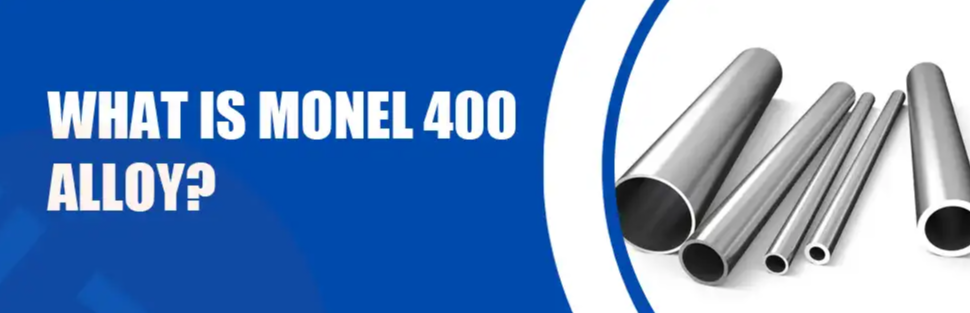
Overview of Monel Metal Pricing
Monel alloys are considered high-value engineering materials. Their price varies depending on grade, product form, processing complexity, and certification requirements. Market demand from marine, offshore, and chemical sectors also influences pricing.
Monel Price per kg Range
The approximate market price of Monel typically falls within the following ranges:
- Monel 400: approximately $30 – $60 per kg
- Monel K500: approximately $45 – $85 per kg
Actual prices vary based on raw material costs, order size, and manufacturing processes.
Price Differences Between Monel Grades
Monel 400
Monel 400 is the most commonly used grade. It has a relatively lower price compared to other Monel alloys because it does not require precipitation hardening heat treatment.
Monel K500
Monel K500 contains aluminum and titanium for age-hardening strengthening, providing significantly higher strength and hardness. The additional alloying elements and heat treatment processes make K500 more expensive than Monel 400.
Price Differences by Product Form
Different manufacturing processes result in different price levels:
- Round bars: commonly used and moderately priced
- Plates and sheets: slightly higher due to rolling processes
- Pipes and tubes: more expensive due to complex forming and finishing
- Forgings: typically the highest cost due to intensive processing
Impact of Raw Material Costs (Nickel and Copper)
Nickel is the primary cost driver for Monel alloys. Since Monel contains over 60% nickel, fluctuations in the global nickel market can significantly affect the final alloy price. Copper, which makes up around 30% of the composition, also contributes to overall cost changes.
Influence of Global Nickel Prices on Monel Market Prices
Nickel is one of the most volatile industrial metals. When global nickel prices increase due to mining supply shortages or increased demand from the battery industry, Monel prices usually rise accordingly.
Regional Price Differences (Asia, Europe, North America)
Monel pricing varies across regions due to manufacturing capacity, labor costs, and logistics.
- Asia: generally more competitive pricing due to large production capacity
- Europe: higher prices due to energy and regulatory costs
- North America: stable supply but often higher processing costs
Impact of Product Specifications and Dimensions
Large diameters, thick plates, and non-standard dimensions typically increase production difficulty and cost. Tight tolerances may also require additional machining, further increasing the price.
Effect of Surface Condition on Price
- Black surface (mill finish): lowest cost
- Machined or turned finish: moderate cost
- Polished or ground finish: highest cost due to additional processing
Influence of Standards and Certifications
Products manufactured according to international standards often require stricter quality control and testing:
- ASTM standards
- AMS (aerospace material specifications)
- NACE certification for oil and gas environments
Additional certifications usually increase production and inspection costs.
Order Quantity and Bulk Purchasing
Larger order volumes usually receive significant price discounts. Bulk procurement reduces production setup costs, material waste, and logistics expenses.
Monel vs Other Nickel Alloy Prices
Compared with other nickel-based alloys:
- Monel: mid-range price among nickel alloys
- Inconel: typically higher due to chromium and high-temperature alloy design
- Hastelloy: often the most expensive because of high molybdenum content
Market Supply and Demand Influence
Demand from offshore oil exploration, marine infrastructure, and chemical plants can drive price fluctuations. Supply chain disruptions in nickel mining or alloy production also impact market pricing.
2026 Monel Price Trend Analysis
Industry analysts expect Monel prices in 2026 to remain closely linked to nickel market trends. Growing demand from renewable energy infrastructure, offshore engineering, and advanced chemical processing may support stable or slightly increasing prices.
Frequently Asked Questions (FAQ)
Why is Monel expensive?
The alloy contains a high percentage of nickel and requires specialized processing, which significantly increases production costs.
Is Monel more expensive than stainless steel?
Yes. Monel is significantly more expensive than most stainless steels due to its high nickel content and superior corrosion resistance.
Does Monel price change frequently?
Yes. Because nickel prices fluctuate in the global commodity market, Monel alloy prices can change regularly.
How can I get an accurate Monel price per kg?
The most accurate way is to request a quotation from a supplier based on grade, size, quantity, and certification requirements.


 English
  Korean
  Japanese
  Arabic
  Spanish
  German
  Portuguese
  French
  Russian
  Italian