

Waspaloy bar is a high-performance nickel-based superalloy product designed for demanding applications requiring excellent high-temperature strength, creep resistance, and fatigue performance. It is widely used in aerospace, gas turbines, and high-stress rotating components where reliability under extreme conditions is critical.
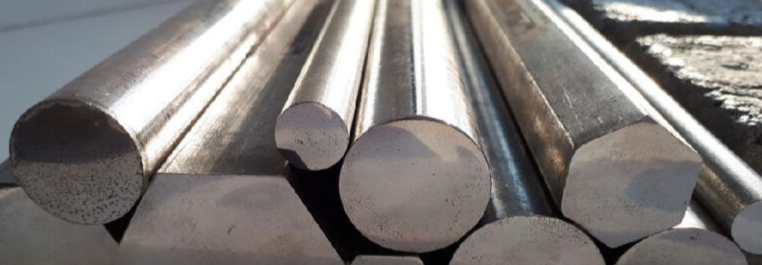
Waspaloy Alloy Overview
Waspaloy is a precipitation-hardened nickel-based superalloy strengthened by aluminum and titanium. It is specifically engineered to maintain mechanical integrity at elevated temperatures up to approximately 870°C.
Waspaloy Bar Product Overview
Waspaloy bars are typically supplied as hot-forged or hot-rolled products, followed by solution treatment and aging. They are widely used for shafts, fasteners, turbine discs, and other high-temperature structural components.
Typical Applications of Waspaloy Bar
- Aerospace turbine shafts and discs
- Gas turbine components
- High-temperature fasteners
- Combustion system components
Chemical Composition Characteristics
| Element | Content (%) |
|---|---|
| Nickel (Ni) | Balance |
| Chromium (Cr) | 18.0 – 21.0 |
| Cobalt (Co) | 12.0 – 15.0 |
| Molybdenum (Mo) | 3.5 – 5.0 |
| Aluminum (Al) | 1.2 – 1.6 |
| Titanium (Ti) | 2.75 – 3.25 |
| Carbon (C) | ≤ 0.10 |
Effect of γ′ Precipitation Strengthening on Bar Properties
The combination of aluminum and titanium forms γ′ precipitates during aging, significantly improving high-temperature strength, creep resistance, and long-term structural stability.
High-Temperature Strength and Stress Rupture Performance
Waspaloy bar maintains high tensile strength and excellent stress rupture life at temperatures up to 800–870°C, making it suitable for long-duration high-load applications.
Creep Resistance Performance
The alloy demonstrates outstanding resistance to creep deformation under constant load at elevated temperatures, ensuring dimensional stability over extended service periods.
High-Temperature Oxidation Resistance
Chromium provides strong oxidation resistance by forming a protective oxide layer, allowing Waspaloy to perform reliably in combustion and hot gas environments.
Fatigue Performance Under Cyclic Loads
Waspaloy bar exhibits excellent fatigue resistance, especially under high-temperature cyclic loading, making it ideal for rotating components in aerospace engines.
Effect of Heat Treatment on Waspaloy Bar
Solution Treatment
Dissolves alloying elements to prepare for precipitation strengthening.
Aging Treatment
Promotes γ′ formation, significantly enhancing strength, creep resistance, and fatigue life.
Hot Working and Forging Characteristics
Waspaloy requires controlled forging temperatures and deformation rates. Proper hot working ensures uniform grain structure and optimal mechanical properties.
Machining Performance and Challenges
Cutting and Drilling
Waspaloy is difficult to machine due to work hardening and high strength. Carbide tools, low cutting speeds, and effective cooling are recommended.
Machinability Challenges
Tool wear and heat generation are significant concerns during machining, requiring optimized cutting parameters.
Common Sizes and Delivery Conditions
- Diameter: 10 – 200 mm
- Length: 500 – 4000 mm
- Delivery condition: solution annealed, aged, or rough machined
Standards and Specifications
- AMS 5706 / AMS 5707
- ASTM B637
- UNS N07001
Comparison with Rene 41 and Inconel 718 Bars
| Alloy | High-Temp Strength | Creep Resistance | Machinability |
|---|---|---|---|
| Waspaloy | Very High | Excellent | Difficult |
| Rene 41 | Very High | Excellent | Very Difficult |
| Inconel 718 | High | Good | Better |
Key Considerations When Purchasing Waspaloy Bar
- Verify certification (AMS, ASTM, UNS)
- Confirm heat treatment condition
- Check dimensional tolerances and surface finish
- Evaluate supplier production capability
- Consider machining requirements and costs
Frequently Asked Questions (FAQ)
What is Waspaloy bar used for?
It is mainly used in aerospace engines, gas turbines, and high-temperature structural components.
Is Waspaloy difficult to machine?
Yes, due to its high strength and work hardening characteristics.
What is the maximum operating temperature?
Typically up to around 870°C depending on application conditions.
How does Waspaloy compare to Inconel 718?
Waspaloy offers better high-temperature performance, while Inconel 718 is easier to machine and weld.


 English
  Korean
  Japanese
  Arabic
  Spanish
  German
  Portuguese
  French
  Russian
  Italian