

Nimonic 90 is a high-performance alloy primarily used in industries where materials are exposed to high-temperature environments, such as aerospace and turbine manufacturing. With its excellent strength, oxidation resistance, and ability to maintain stability at elevated temperatures, Nimonic 90 is a preferred material for a variety of engineering applications. However, one of the most common inquiries from engineers and buyers is the cost of this material. This article will explore the price of Nimonic 90, factors affecting its price, and a detailed breakdown of its pricing based on various sources and forms of purchase.
What is Nimonic 90?
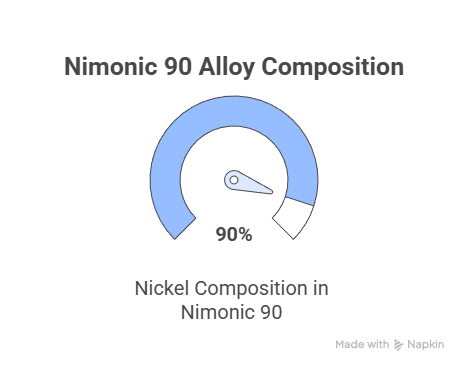
Nimonic 90 is a nickel-based superalloy, typically composed of 90% nickel along with other elements like chromium, cobalt, and iron. Its resistance to high temperatures and corrosion makes it ideal for use in turbines, jet engines, and other heat-intensive applications. Nimonic 90 can withstand extreme conditions, making it a go-to material for high-performance engineering solutions. The alloy’s unique properties include high tensile strength and excellent fatigue resistance, making it one of the most reliable materials for the aerospace sector.
Factors Affecting the Price of Nimonic 90
The price of Nimonic 90 can vary depending on several factors. These include the quantity being purchased, the supplier, the geographical location, and the specific form of Nimonic 90 (such as bar, sheet, or plate). Other factors such as global market trends in raw materials (nickel, cobalt, chromium), manufacturing costs, and transportation fees also play a crucial role in determining the final price of the alloy.
Typical Price Ranges for Nimonic 90
The price of Nimonic 90 varies significantly based on form, quantity, and order specifications. Below is a table showing average price ranges for different forms of Nimonic 90 available in the market:
| Form of Nimonic 90 | Price Range (per kilogram) |
|---|---|
| Bar (Diameter: 10mm to 50mm) | $120 – $180 |
| Plate (Thickness: 5mm to 50mm) | $110 – $170 |
| Sheet (Thickness: 1mm to 5mm) | $100 – $150 |
| Forged Components | $150 – $220 |
Why is Nimonic 90 Expensive?
The high price of Nimonic 90 can be attributed to several factors. The primary element in Nimonic 90, nickel, is an expensive metal, and the alloy’s composition requires careful blending of other metals like chromium and cobalt. Additionally, the production process for Nimonic 90 involves complex procedures that require precision and advanced technology, further driving up the cost. The demand for Nimonic 90 in critical industries such as aerospace and energy also contributes to its premium pricing.
Comparing Nimonic 90 with Other Alloys
When comparing Nimonic 90 to other high-temperature alloys like Inconel 718 or Hastelloy, it is essential to consider both performance and cost. While Inconel 718 is generally more affordable, Nimonic 90 offers superior resistance to oxidation at higher temperatures, making it a better choice for some applications. Below is a comparison of the prices and properties of Nimonic 90 against other commonly used alloys:
| Alloy | Price Range (per kilogram) | Temperature Resistance | Oxidation Resistance |
|---|---|---|---|
| Nimonic 90 | $120 – $180 | Up to 1000°C | Excellent |
| Inconel 718 | $90 – $140 | Up to 870°C | Good |
| Hastelloy | $150 – $200 | Up to 1100°C | Very Good |
Where Can You Buy Nimonic 90?
Nimonic 90 can be sourced from a variety of suppliers, ranging from large industrial distributors to specialized alloy producers. Most suppliers offer Nimonic 90 in various forms including bars, plates, sheets, and custom forged components. Prices can vary depending on the quantity and delivery terms, but it is recommended to contact suppliers directly for the most accurate pricing. Additionally, purchasing in bulk or through long-term contracts might offer discounted prices.
Is Nimonic 90 Available in All Regions?
While Nimonic 90 is widely available in major industrial markets like North America, Europe, and Asia, the availability in certain regions might vary depending on local demand and logistics. Remote or developing markets might face higher transportation costs, which could increase the final price of the alloy. It is always advisable to check with local distributors to find out more about availability and shipping charges.
Why Do Prices Fluctuate So Much?
The price of Nimonic 90 can fluctuate due to several global factors, particularly the price of nickel and other metals that make up the alloy. Changes in supply and demand, geopolitical instability, and fluctuations in the cost of raw materials can all lead to price shifts. Additionally, economic factors like inflation or changes in manufacturing processes can also impact prices.
Related Questions:
What is the current price of Nimonic 90 in 2025?
The price of Nimonic 90 in 2025 ranges between $120 and $180 per kilogram, though it can vary based on form and quantity ordered. Always check with suppliers for up-to-date pricing information.
Is Nimonic 90 the best material for aerospace applications?
Yes, Nimonic 90 is one of the best materials for high-temperature aerospace applications due to its excellent resistance to heat and oxidation. It maintains strength and stability at temperatures up to 1000°C, making it ideal for turbine blades and engine components.
Can I find cheaper alternatives to Nimonic 90?
While there are alternatives like Inconel 718 and Hastelloy, they might not offer the same high-temperature resistance as Nimonic 90. The choice of material depends on the specific application and performance requirements. However, for lower-cost solutions, Inconel 718 might be a viable option.


 English
  Korean
  Japanese
  Arabic
  Spanish
  German
  Portuguese
  French
  Russian
  Italian