

The difference between Monel and stainless steel is a key consideration when selecting metals for marine equipment, chemical processing, food production, offshore systems, and structural fabrication. Both materials are known for corrosion resistance, but they are built from very different alloy systems. Monel is primarily a nickel-copper alloy with outstanding seawater and chemical resistance, while stainless steel is an iron-chromium alloy valued for affordability, versatility, and wide global availability.
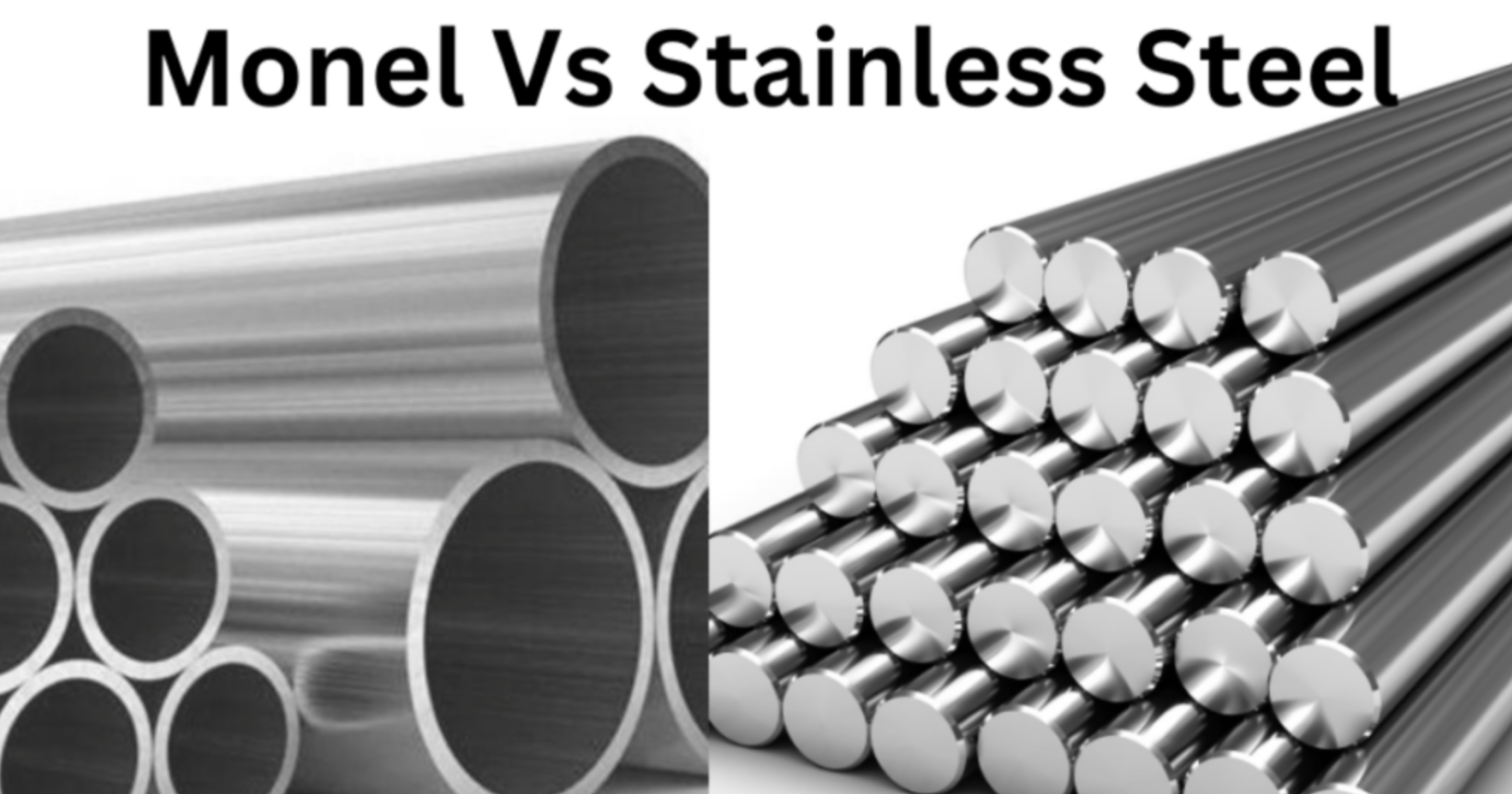
Difference Between Monel and Stainless Steel Overview
Although both are corrosion-resistant materials, Monel and stainless steel perform differently depending on the environment. Monel usually outperforms stainless steel in seawater and some reducing acids, while stainless steel often offers lower cost and easier fabrication.
| Material | Main Alloy Family | Typical Strength | Main Advantage |
|---|---|---|---|
| Monel | Nickel-Copper | Good to High | Marine and chemical corrosion resistance |
| Stainless Steel | Iron-Chromium | Moderate to High | Low cost and broad application range |
What Is Monel Alloy (Nickel-Copper Alloy Introduction)
Monel is a family of nickel-copper alloys developed for aggressive environments. Common grades include Monel 400 and Monel K500. These materials are widely used where seawater resistance, non-sparking behavior, and chemical durability are required.
Common Monel Grades
- Monel 400 – excellent corrosion resistance and ductility
- Monel K500 – higher strength through age hardening
What Is Stainless Steel (Iron-Chromium Alloy Introduction)
Stainless steel is an iron-based alloy containing chromium, which creates a protective passive film. Many grades also contain nickel, molybdenum, manganese, or nitrogen to improve corrosion resistance and strength.
Common Stainless Steel Grades
- 304 / 304L – general industrial use
- 316 / 316L – improved chloride resistance
- 2205 Duplex – high strength and seawater service
- 310 / 309 – higher temperature resistance
Chemical Composition Difference Between Monel and Stainless Steel
| Element | Monel | Stainless Steel |
|---|---|---|
| Nickel | High | Low to Moderate |
| Copper | High | Usually Low |
| Iron | Low | Main Base Metal |
| Chromium | Low | High |
| Molybdenum | Usually None | Present in some grades |
This chemistry difference explains why Monel excels in marine exposure, while stainless steel depends heavily on grade selection.
Corrosion Resistance Comparison in Seawater, Acid, and Chloride Environments
| Environment | Better Choice | Reason |
|---|---|---|
| Seawater | Monel | Excellent resistance to marine corrosion |
| Salt Spray | Monel | Strong atmospheric chloride resistance |
| Food Processing | Stainless Steel | Cleanability and lower cost |
| Reducing Acids | Monel | Often stronger resistance |
| Oxidizing Environments | Stainless Steel | Chromium oxide film advantage |
Strength and Mechanical Properties Comparison
| Property | Monel | Stainless Steel |
|---|---|---|
| Toughness | Excellent | Good to Excellent |
| Yield Strength | Good | Depends on grade |
| Fatigue Strength | Good | Good |
| Wear Resistance | Moderate | Depends on grade |
Special stainless grades such as duplex or precipitation-hardening steels can exceed standard Monel in strength.
High Temperature Performance Comparison
Standard Monel performs well at moderate elevated temperatures, but some stainless steel grades and nickel superalloys are better for continuous high-temperature oxidation service. Heat-resistant stainless grades like 310 are common furnace materials.
Low Temperature and Cryogenic Performance Comparison
Monel retains toughness at low temperatures and is suitable for cryogenic service. Austenitic stainless steels such as 304L and 316L also perform well in cryogenic environments.
Weight and Density Differences
| Material | Approximate Density |
|---|---|
| Monel | 8.4 – 8.8 g/cm³ |
| Stainless Steel | 7.7 – 8.0 g/cm³ |
Monel is usually heavier than stainless steel because of its high nickel and copper content.
Machinability and Fabrication Differences
| Factor | Monel | Stainless Steel |
|---|---|---|
| Machinability | More Difficult | Easier in many grades |
| Cold Forming | Good | Excellent in austenitic grades |
| Work Hardening | High | Moderate to High |
Monel often requires slower cutting speeds and more robust tooling.
Weldability Comparison of Monel vs Stainless Steel
Many stainless steel grades are easier to weld with common industrial processes. Monel can also be welded successfully, but filler metal selection and heat input control are more important.
Cost Comparison Between Monel and Stainless Steel
| Factor | Monel | Stainless Steel |
|---|---|---|
| Raw Material Cost | High | Low to Moderate |
| Processing Cost | Higher | Lower |
| Availability | More Limited | Excellent |
Monel is usually significantly more expensive than common stainless steel grades.
Typical Applications (Marine, Chemical, Food, Construction)
| Application | Preferred Material |
|---|---|
| Seawater pumps | Monel |
| Marine fasteners | Monel |
| Food tanks | Stainless Steel |
| Architectural panels | Stainless Steel |
| Chemical valves | Depends on media |
Advantages and Limitations of Each Material
Monel Advantages
- Excellent seawater resistance
- Strong chemical durability
- Good low-temperature toughness
Monel Limitations
- High cost
- Harder to machine
- Less common stock availability
Stainless Steel Advantages
- Affordable and widely available
- Many grades for different needs
- Good fabrication and welding
Stainless Steel Limitations
- Some grades pit in chlorides
- Not always ideal for seawater immersion
How to Choose Between Monel and Stainless Steel
- Choose Monel for seawater, offshore, chloride immersion, and demanding chemical service.
- Choose stainless steel for food equipment, structural fabrication, architectural use, and budget-sensitive projects.
- Select the exact grade based on temperature, pressure, corrosion media, and required lifespan.
Frequently Asked Questions About Monel vs Stainless Steel
Is Monel better than stainless steel?
For marine and some chemical environments, Monel is often better. For general industrial use, stainless steel is usually more economical.
Does Monel rust like stainless steel?
Monel has excellent corrosion resistance and generally performs extremely well in harsh environments.
Why is Monel more expensive than stainless steel?
Because Monel contains high nickel and copper content, which increases raw material and processing cost.


 English
  Korean
  Japanese
  Arabic
  Spanish
  German
  Portuguese
  French
  Russian
  Italian