

Monel K500 vs Inconel 625 is a frequently searched material comparison in the nickel alloy industry, especially for marine, offshore, and chemical engineering applications. Although both alloys are nickel-based, they differ significantly in chemical composition, strengthening mechanism, corrosion resistance behavior, and temperature performance. Monel K500 is a nickel-copper precipitation-hardened alloy, while Inconel 625 is a nickel-chromium-molybdenum solid solution strengthened superalloy.
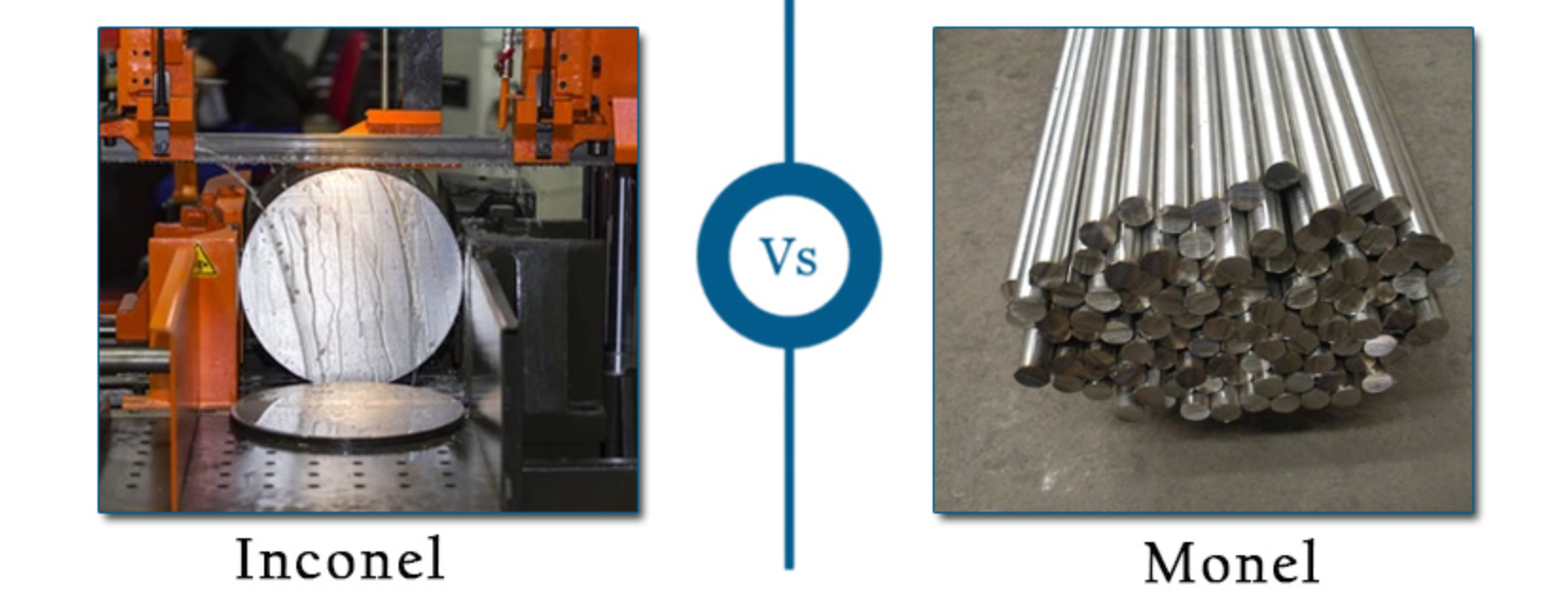
Monel K500 vs Inconel 625 Overview
Monel K500 is primarily selected for seawater corrosion resistance combined with high mechanical strength after aging treatment. Inconel 625 is widely used in aggressive chemical and high-temperature environments due to its excellent oxidation resistance and stress corrosion cracking resistance.
| Alloy | Main Advantage | Typical Focus |
|---|---|---|
| Monel K500 | High strength + marine corrosion resistance | Marine shafts, pumps, fasteners |
| Inconel 625 | Excellent corrosion + heat resistance | Chemical, offshore, aerospace |
What Is Monel K500 Alloy (Nickel-Copper-Aluminum-Titanium Alloy)
Monel K500 is an age-hardenable nickel-copper alloy enhanced with aluminum and titanium. It provides significantly higher strength than Monel 400 while maintaining excellent seawater corrosion resistance.
What Is Inconel 625 Alloy (Nickel-Chromium-Molybdenum Alloy)
Inconel 625 is a nickel-chromium alloy strengthened by molybdenum and niobium. It is known for outstanding resistance to pitting, crevice corrosion, and oxidation at elevated temperatures.
Chemical Composition Difference Between Monel K500 and Inconel 625
| Element | Monel K500 | Inconel 625 |
|---|---|---|
| Nickel | High | Very High |
| Copper | High | Very Low |
| Chromium | Low | High |
| Molybdenum | Low | High |
| Niobium | Minimal | Present |
Monel K500 is copper-based, while Inconel 625 is chromium-molybdenum based, which explains their different corrosion behavior.
Strength and Mechanical Properties Comparison
| Property | Monel K500 | Inconel 625 |
|---|---|---|
| Tensile Strength | High | Moderate to High |
| Yield Strength | High | Moderate |
| Fatigue Resistance | Good | Excellent |
| Creep Resistance | Moderate | Excellent |
Inconel 625 performs better under long-term stress at elevated temperatures, while Monel K500 offers higher room-temperature strength.
Hardness Comparison Between Monel K500 and Inconel 625
Monel K500 achieves higher hardness after age hardening, while Inconel 625 maintains moderate hardness but superior toughness and ductility.
Corrosion Resistance Comparison (Marine, Acid, Chloride Environments)
| Environment | Better Alloy | Reason |
|---|---|---|
| Seawater | Both Excellent | High resistance to chloride attack |
| Strong acids | Inconel 625 | High Cr + Mo content |
| Pitting corrosion | Inconel 625 | Superior PREN value |
| Sour gas (H₂S) | Both | Oil & gas suitable grades available |
High Temperature Performance Comparison
Inconel 625 is significantly superior in high-temperature environments due to its stable microstructure and oxidation resistance. Monel K500 is not designed for extreme heat service.
Cryogenic Performance Comparison
Both alloys perform well at low temperatures and retain toughness, making them suitable for cryogenic and sub-zero environments.
Machinability and Fabrication Differences
| Factor | Monel K500 | Inconel 625 |
|---|---|---|
| Machinability | Difficult | Moderate to Difficult |
| Work Hardening | High | Moderate |
| Formability | Limited | Better |
Weldability Comparison of Monel K500 vs Inconel 625
Inconel 625 has excellent weldability and is widely used in welded structures. Monel K500 can be welded but requires more careful heat treatment control due to its precipitation hardening behavior.
Stress Corrosion Cracking Resistance Comparison
Inconel 625 provides superior resistance to stress corrosion cracking, especially in chloride-rich and high-temperature acidic environments. Monel K500 performs well in seawater but is less resistant in oxidizing acidic conditions.
Typical Applications (Marine, Oil & Gas, Aerospace, Chemical Industry)
| Application | Preferred Alloy |
|---|---|
| Marine shafts & propellers | Monel K500 |
| Seawater pumps | Monel K500 |
| Chemical processing equipment | Inconel 625 |
| Heat exchangers | Inconel 625 |
| Offshore oil & gas piping | Both depending on service |
Cost and Availability Comparison
| Factor | Monel K500 | Inconel 625 |
|---|---|---|
| Material Cost | High | High |
| Availability | Moderate | High |
| Processing Cost | High | High |
How to Choose Between Monel K500 and Inconel 625
- Choose Monel K500 for marine shafts, pump parts, and high-strength seawater applications.
- Choose Inconel 625 for chemical processing, high-temperature service, and corrosion-critical environments.
- If temperature and corrosion severity increase, Inconel 625 is usually preferred.
Frequently Asked Questions About Monel K500 vs Inconel 625
Which is stronger, Monel K500 or Inconel 625?
Monel K500 generally has higher room-temperature strength after aging, while Inconel 625 performs better at high temperatures.
Which alloy is better for seawater?
Both perform well, but Monel K500 is often preferred for mechanical seawater components like shafts and pumps.
Is Inconel 625 more corrosion resistant?
Yes, especially in oxidizing acids and severe chloride environments.


 English
  Korean
  Japanese
  Arabic
  Spanish
  German
  Portuguese
  French
  Russian
  Italian