

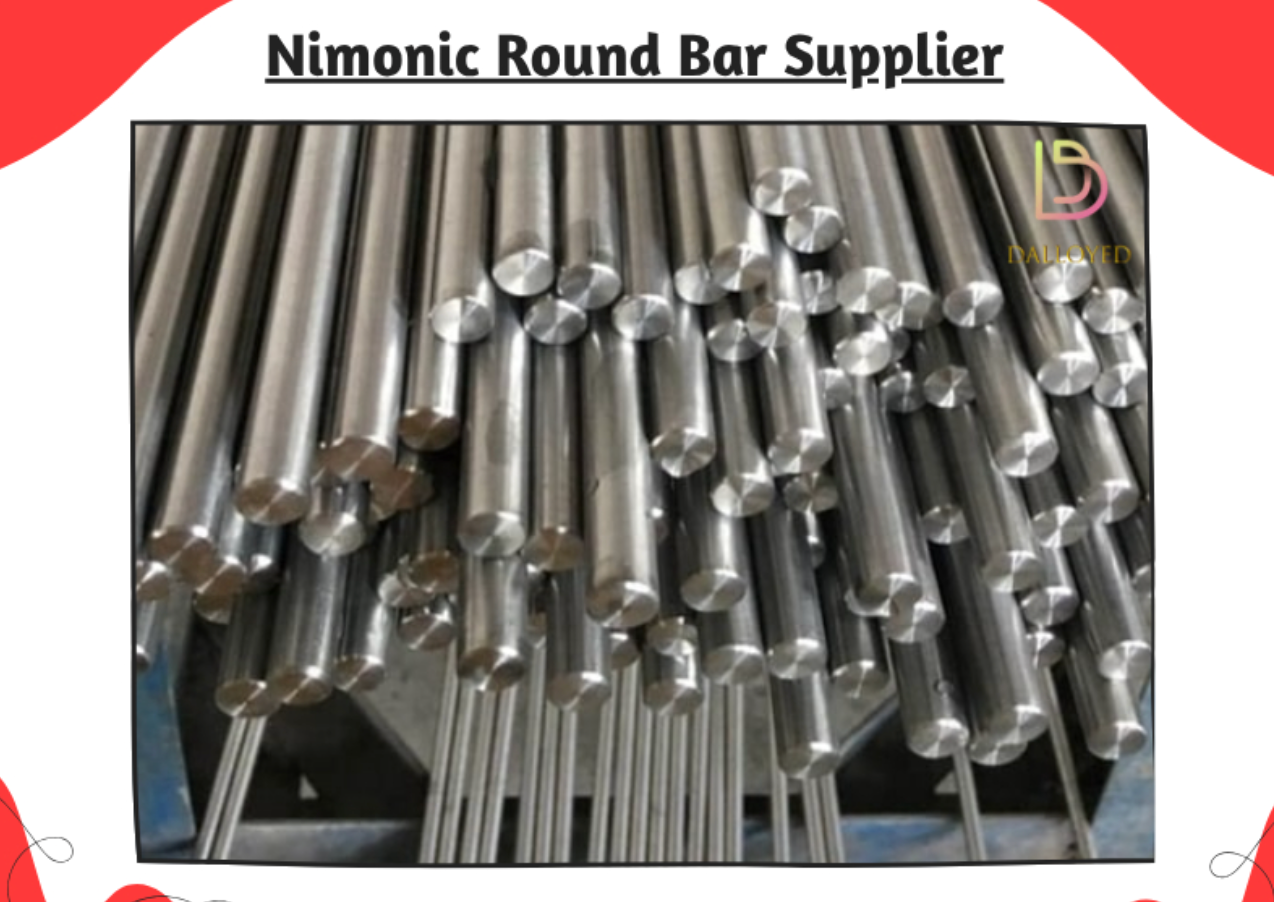
Nimonic 75 round bar price is not a fixed number in the global market. Instead, it varies widely depending on supply form, certification level, order quantity, processing route, and delivery requirements. As a nickel-chromium superalloy designed for high-temperature oxidation resistance, Nimonic 75 is commonly used in furnace components, aerospace heat-resistant parts, and industrial thermal equipment. Because of its specialized production process and relatively limited supply chain, pricing can differ significantly between suppliers and regions.
Why Nimonic 75 Round Bar Price Varies So Much in the Market
The price of Nimonic 75 round bar changes due to multiple factors including raw material cost, melting technology, bar size, surface finish, and certification requirements. Even small specification changes can lead to noticeable price differences.
| Factor | Price Impact |
|---|---|
| Raw material fluctuation | High |
| Certification level | High |
| Diameter / size | Medium to High |
| Surface condition | Medium |
Real Buyer Intent Behind “Nimonic 75 Price Per Kg” Searches
Most users searching for Nimonic 75 price per kg are not only looking for a number. They usually want supplier comparison, availability, MOQ understanding, and whether stock or mill production is more cost-effective.
- Industrial buyers checking bulk pricing
- Engineering companies comparing alloy alternatives
- Procurement teams verifying supplier quotes
- Distributors estimating resale margins
Nimonic 75 Price vs Other Nickel Alloys (80A / 718 / 625 Comparison)
| Alloy | Relative Price Level | Main Reason |
|---|---|---|
| Nimonic 75 | High | Nickel-chromium superalloy base grade |
| Nimonic 80A | Higher | Strengthened with Ti/Al |
| Inconel 625 | Higher | Mo + Nb corrosion resistance system |
| Inconel 718 | Very High | High strength aerospace grade |
Nimonic 75 is often the entry-level grade in the Nimonic family, but still significantly more expensive than stainless steel.
Why Small Diameter Bars Are Often More Expensive Than Large Ones
Small diameter Nimonic 75 bars require tighter tolerances, more drawing passes, and higher tooling wear. This increases processing time and cost per kilogram.
The Hidden Cost of Vacuum Melting in Nimonic 75 Production
Nimonic 75 is commonly produced using vacuum induction melting (VIM) to control impurities. This process improves material quality but increases energy consumption, equipment cost, and production cycle time.
Why Aerospace Buyers Pay 2–3x Higher Than Industrial Buyers
Aerospace-grade Nimonic 75 requires full traceability, stricter chemical control, advanced testing, and certification compliance. These requirements significantly increase cost compared to industrial-grade material.
How Heat-Resistant Performance Directly Affects Price Level
Nimonic 75 is designed for continuous high-temperature service. The ability to maintain oxidation resistance at elevated temperatures increases alloying complexity, which directly impacts raw material and processing cost.
Why Surface Condition (Black, Peeled, Bright) Changes Price Dramatically
| Surface Condition | Price Level |
|---|---|
| Black (Hot Rolled) | Lowest |
| Peeled / Turned | Medium |
| Bright Drawn | Highest |
Bright bars require additional cold drawing and finishing processes, increasing production cost.
The Real Impact of MOQ (1kg vs 1000kg Pricing Gap)
Small orders are significantly more expensive per kilogram because setup cost, cutting loss, and handling cost are distributed over fewer kilograms. Large orders benefit from mill production efficiency.
Why “Stock Price” and “Production Price” Are Completely Different
Stock material reflects already produced inventory, often including storage, financing, and distributor margins. Production price is based on fresh mill output and typically requires longer lead time.
How British Standard BS HR5 and UNS N06075 Affect Pricing
Nimonic 75 is commonly referenced under UNS N06075 and British standards such as BS HR5. Compliance with these standards ensures consistent performance but may increase inspection and certification costs.
Why Some Suppliers Quote Low but Exclude Testing & MTC Costs
Low quotations often exclude material test certificates (MTC), ultrasonic testing, PMI testing, or third-party inspection. These hidden costs can significantly increase final delivered price.
The Role of Forging vs Hot Rolled Process in Price Differences
| Process Type | Cost Level |
|---|---|
| Hot Rolled Bar | Lower |
| Forged Bar | Higher |
Forging improves internal structure and mechanical properties but requires more processing steps and machining allowance.
How Fast Delivery Requirements Increase Cost in Real Orders
Urgent orders often require priority production scheduling, air freight, or stock allocation, all of which increase final cost.
Typical Real-World Price Bands Buyers Actually Get in Quotations
| Order Type | Estimated Price (USD/kg) |
|---|---|
| Stock Small Quantity | 70 – 110 |
| Standard Industrial Order | 60 – 95 |
| Aerospace Certified Order | 90 – 150+ |
Frequently Asked Questions About Nimonic 75 Round Bar Price
Why is Nimonic 75 so expensive?
Because it is a nickel-based superalloy requiring vacuum melting and high-temperature performance control.
Is Nimonic 75 cheaper than Inconel?
Yes, generally it is cheaper than advanced Inconel grades like 625 or 718.
What affects Nimonic 75 price the most?
Nickel market price, certification level, and product form have the biggest impact.


 English
  Korean
  Japanese
  Arabic
  Spanish
  German
  Portuguese
  French
  Russian
  Italian